

 Best Selling Medicine


Dr. Aditya Shah
Expert In Clinical Pharmacology And Drug SafetyView moreKidney stones are often a painful situation for the patient. In simple words, it is the deposition of minerals and salts in the urine that is not filtered and eventually binds together to form hard stones.
Having a kidney stone may be related to many cases. For example, after conducting studies, scientists feel that the following types of people could be prone to this issue-
- Overweight or obesity
- Bad diet
- Those who are taking a lot of supplements.
- Some health conditions
As per studies, this issue is more common in those people who drink far less water. Because of this, the water and blood content in your body has a high dose of minerals and salts that attach in the kidneys, forming stones.
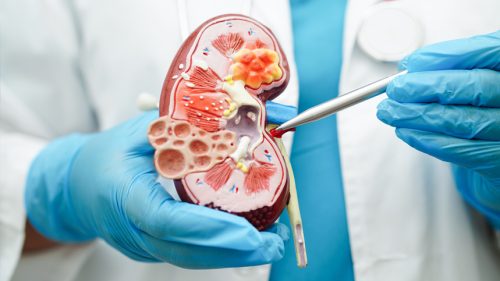
With kidney stones, you may have trouble urinating and often have an itchy pain in the lower belly area.
However, there are still many remedies to get rid of the disorder, and it is 100% curable when detected early.
Without taking any proper treatment for it, the situation can end up with further complications in the kidney, causing kidney damage or even death.
In this blog post, we are going to figure out the symptoms, causes, and ways of curing this condition.
Symptoms Of Kidney Stones
The pain associated with kidney stones often comes in waves and changes in intensity as the stone moves through the urinary tract.
Severe Flank Pain: Intense, sharp pain in the side and back, below the ribs.
Radiating Pain: Pain that spreads to the lower abdomen and groin.
Urinary Changes: Persistent need to urinate, urinating more often than usual, or pain during urination.
Discolored Urine: Pink, red, or brown urine (hematuria), which indicates the presence of blood.
Nausea and Vomiting: Often triggered by the intensity of the pain.
Cloudy or Foul-Smelling Urine: This can sometimes indicate an underlying infection.
Causes of Kidney Stones
Kidney stones form when your urine contains more crystal-forming substances, such as calcium, oxalate, and uric acid, than the fluid in your urine can dilute.
1. Dehydration
The most common cause of kidney stones is a lack of water. When you don’t drink enough, your urine becomes concentrated, allowing minerals to stick together.
2. Dietary Factors
A diet high in protein, sodium (salt), and sugar may increase the risk. High sodium, in particular, increases the amount of calcium your kidneys must filter, significantly raising the risk of stones.
3. Obesity and Digestive Diseases
A high BMI or conditions like inflammatory bowel disease (IBD) or gastric bypass surgery can change the way your body absorbs calcium and water, increasing stone-forming substances in the urine.
4. Genetics
If someone in your family has had kidney stones, you are more likely to develop them yourself.
When to Abandon Home Remedies
Home remedies are only suitable for stones that are small enough to pass on their own.
Seek immediate medical attention if you experience:
-
Inability to Urinate: This indicates a total blockage.
-
Fever and Chills: This suggests a Kidney care, which is a medical emergency.
-
Intense Nausea/Vomiting: If you cannot keep fluids or pain medication down.
-
Blood in Urine: While common with stones, heavy bleeding needs to be monitored by a professional.
Risk Factors For Having Kidney Stones
There are some risk factors, as we have told you above, that can increase your chances of having the same issue by as much as 50%, as per studies.
Here is a review of those risk factors in detail-
- Family or personal history where you had the disorder once.
- Dehydration, or a habit of drinking too little water throughout the day
- Some specific diets, like the ones that have a high amount of salt, sugars, and dissolved complex protein in them.
- High sodium in your food items
- Obesity
- Having other digestive disorders like inflammatory bowel disease, diarrhea, or having undergone surgery for it.
- Use of supplements of Vitamin C and proteins.
Treatment Options
Let us take you through some of the treatments that you need to undergo for kidney stones-
-
Medicines
The doctors aim to give you suitable medicines that can break the crystals of salts and minerals into smaller particles, which are eventually passed down during urination.
However, depending on the type of kidney stone, the doctors can give you suitable medicines.
For Example-
For calcium stones, the doctors can tell you to use a thiazide diuretic or potassium citrate.
To get rid of uric acid stones, the doctors can tell you to use brands like Zyloric, Amlopres, and so on.
-
Changes In Lifestyle
The doctors will tell you a few immediate changes right from day one of preventive care at home.
These are-
Drinking at least two or more liters of water daily and ensuring enough hydration to flush out the stones eventually.
Having a diet that is free of complex fats, proteins, sodium, calcium, and so on.
-
Avoid The Use Of Supplements
Different types of calcium and micronutrient supplements are in use today, which is the reason why many men suffer from kidney stones more often.
You need to get rid of using such supplements and find out other ways to take these nutrients from your diet as much as you can.
Final Thoughts
Therefore, as you can see in this blog, we have given you an in-depth idea about kidney stones, giving the general signs and remedies for the disorder. In case you have respiratory problems relating to excess mucus formation, use the Dynulta 2500 mg.
FAQs
Q. What Are The Usual Tests For Diagnosing A Kidney Stone?
Some of the packaged tests include blood tests, urine tests, USG, analysis of passed stones, genetic testing, and so on. Let the doctors examine your case and see what health tests they recommend you.
Q. Is the use of pain relievers a good idea?
Yes, having kidney stones can indeed be a great interruption in your daily life, as it causes a lot of pain and irritation. The doctors can give you a suitable painkiller like ibuprofen.
Q. When Is A Surgery Recommended To Get Rid Of A Kidney Stone?
Usually, surgery is often the last recommendation in the list of treatments to get rid of the kidney stone. It is usually told to the patients that the size of the kidney stone has grown to a huge size, and that it can start affecting the minute blood vessels and nephrons in the kidneys.
